Best Times to Visit: Seasonal Guide for Comfort
Discover when Dublin's parks shine brightest and find the perfect season for your leisurely strolls through St Stephen's Green and Iveagh Gardens.

Why Timing Matters for Your Park Visit
Choosing when to visit makes all the difference. Dublin's parks aren't static — they transform with the seasons, offering completely different experiences depending on when you arrive. Temperature, crowd levels, plant life, and daylight hours all shift throughout the year, and understanding these patterns helps you plan visits that feel genuinely comfortable and enjoyable.
Whether you're looking for quiet mornings, vibrant blooms, or pleasant afternoon temperatures, this guide breaks down what each season offers. You'll discover the sweet spots when the weather cooperates, the parks breathe easier with fewer visitors, and every stroll feels just right for your pace and preferences.
Quick Season Overview
- Spring (March-May): Blooming flowers, mild temperatures, moderate crowds
- Summer (June-August): Long daylight, warm weather, peak visitor season
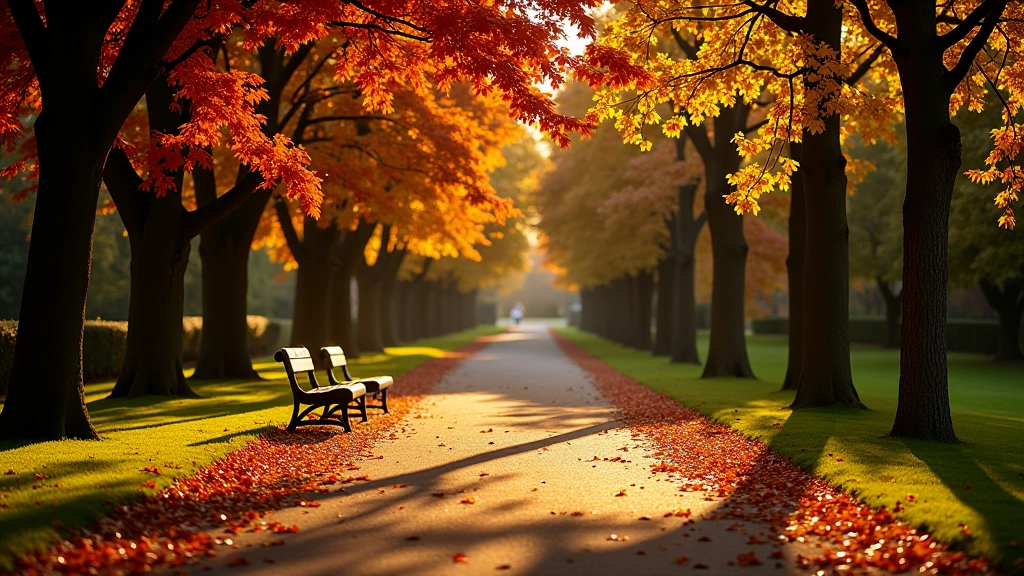
- Autumn (September-November): Golden light, comfortable temperatures, fewer crowds
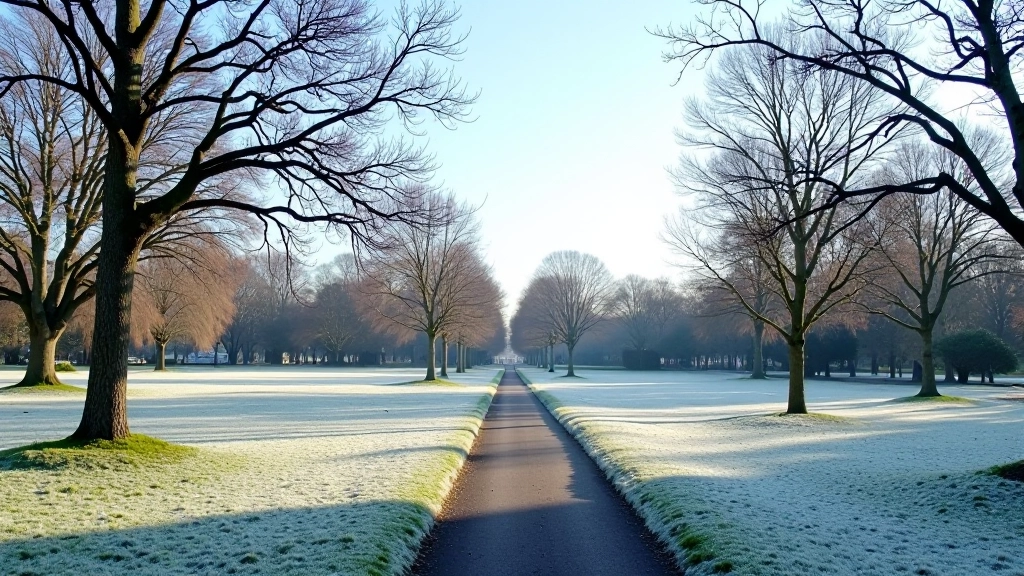
- Winter (December-February): Quiet atmosphere, cold mornings, crisp clear days
Spring: Where Everything Awakens
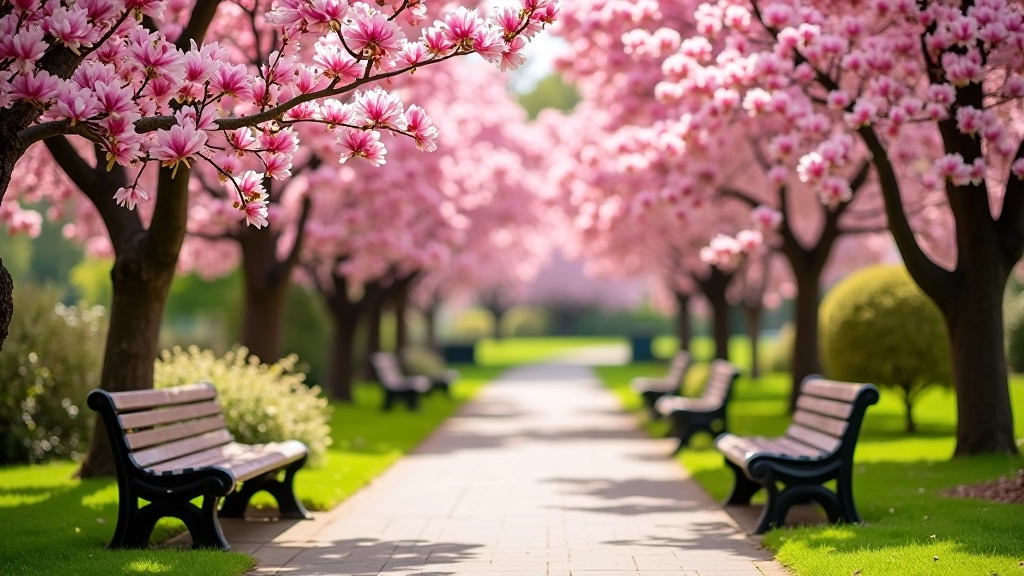
Spring in Dublin parks feels like nature hitting the refresh button. March brings the first brave crocuses pushing through the grass, followed by daffodils that transform St Stephen's Green into waves of yellow. By April and May, the magnolias and cherry trees explode into blossom — it's genuinely spectacular, though you'll share the experience with more visitors than other times of year.
Temperatures hover around 8-14°C (46-57°F), so you'll want a light jacket. The best part? Mornings are quieter. If you visit between 7-9am on a weekday, you'll often have entire sections of the parks nearly to yourself. Daylight stretches longer each week — by late May, you've got light until 9pm. This is ideal if you prefer afternoon walks when the sun stays warmer.
Rain is fairly common, though rarely heavy. Pack a compact umbrella, but don't let occasional showers stop you — some of the most beautiful walks happen just after rain when the grass smells fresh and clouds break to reveal sudden sunshine.
Summer: Long Days, Popular Parks
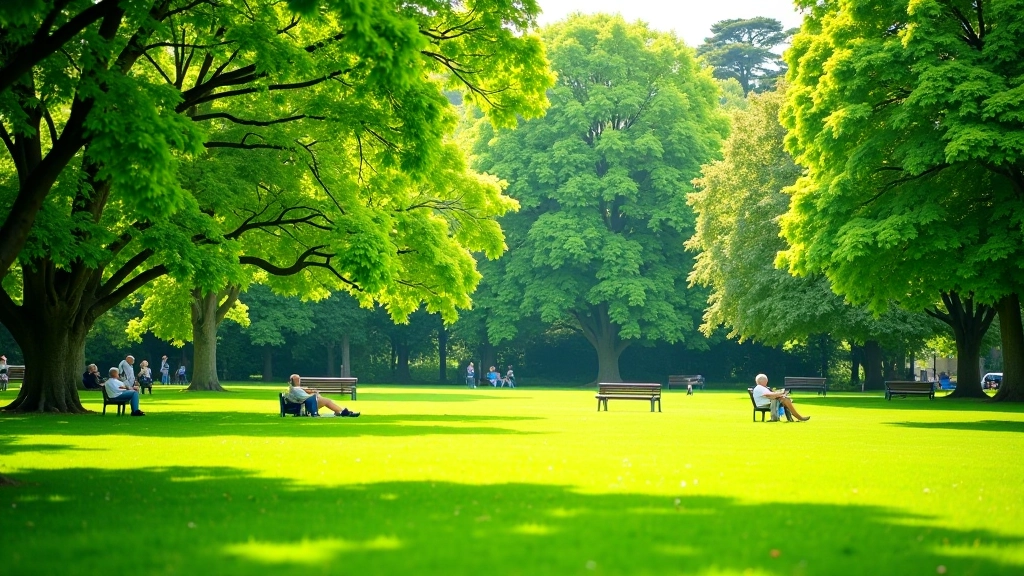
June through August brings the warmest weather — expect 15-20°C (59-68°F), sometimes climbing into the low 20s. The parks fill with energy. You'll see families with children, groups of friends, picnickers spread across the lawns. The atmosphere's lively, but it means less solitude and more navigating around other visitors.
What's wonderful is the daylight. At midsummer, the sun doesn't set until nearly 10pm. You could visit Iveagh Gardens at 8pm and still have plenty of light for a gentle walk. Early mornings before 8am are genuinely your best bet for quiet summer visits — the difference between a crowded afternoon and a peaceful morning is dramatic.
Bring water and a hat. Sun exposure matters more in summer, and the parks offer scattered shade from mature trees, but you'll be exposed for stretches. Some visitors find the heat uncomfortable for leisurely pacing. If you're more heat-sensitive, consider visiting during late June or early August when temperatures tend to be slightly cooler than July.
Autumn: The Comfort Season
September through November might be the single best time to visit Dublin's parks if you value comfort and aesthetics. Temperatures sit at 10-16°C (50-61°F) — perfect for walking without overheating or getting cold. The crowds thin out significantly after school returns in early September. You'll encounter other visitors, but the parks feel breathable again.
The light changes in ways that photographers and painters dream about. Golden-hour light stretches across the lawns starting around 3:30pm. Trees turn in sequence — first the maples and ornamental species, then the oaks and beeches. St Stephen's Green becomes a canvas of bronze, amber, and deep crimson. It's genuinely stunning, and the mild temperatures mean you can sit on a bench and simply enjoy the view without worrying about being too warm or too cold.
Rain increases, but it's usually gentle rather than heavy downpours. Autumn rain often comes with dramatic skies and sudden breaks of sunshine — very atmospheric. Mornings can feel crisp, especially in November, so layers work well. You might start your walk in a sweater and be comfortable removing it by midday.
Winter: Quiet and Contemplative
December through February brings the quietest parks. Temperatures drop to 3-8°C (37-46°F), sometimes lower on particularly bitter mornings. Most visitors stay indoors, which means you'll often have entire sections of St Stephen's Green or Iveagh Gardens nearly empty. There's something peaceful about walking through bare trees with just the sound of your footsteps and occasional birdsong.
Daylight is limited — the sun sets before 4pm in December, so plan visits for midday if you want maximum light. Early afternoons offer decent conditions, though the light becomes thin and dramatic. Frost patterns on grass are beautiful, and on rare snow days, the parks transform completely. Winter mornings can be stunning — crisp, clear air, pale winter sun creating sharp shadows.
Bring proper winter gear. Layers are essential because mornings feel genuinely cold, but midday movement warms you up. Waterproof walking shoes matter more in winter — grass stays damp, and occasional rain can be penetrating. The reward is solitude and a contemplative atmosphere that contrasts beautifully with summer's bustling energy.
Important Information
This guide provides general seasonal information about Dublin parks and is intended for informational and educational purposes. Weather patterns, crowd levels, and park conditions vary year to year. Before visiting, check current weather forecasts, park closures, and local announcements. Consider your personal comfort preferences, physical abilities, and any health conditions when planning visits. Temperature and rainfall data represents historical averages and may differ from actual conditions during your visit. Always dress appropriately for current weather and bring necessary items like water, sun protection, or rain gear. Park access and facilities may change — verify opening hours and available amenities directly with park authorities.
Finding Your Perfect Season
There's genuinely no bad time to visit Dublin's parks — each season offers something distinct. Spring gives you flowers and moderate crowds. Summer delivers long daylight and vibrant energy (if you can navigate the visitors). Autumn provides comfort and stunning light that photographers live for. Winter offers solitude and contemplative beauty.
Your best season depends on what matters most to you. Heat-sensitive? Autumn's your answer. Love blooms and don't mind crowds? Spring calls. Want absolute quiet? Winter delivers. Prefer extended daylight? Summer works, just plan for early mornings. Most people discover they have a favorite season after a few visits — the season where the parks feel most like home.
Start with what sounds appealing, then come back in different seasons. You'll be surprised how different the same paths feel when the light changes, the temperature shifts, and the crowd patterns transform. That's the real magic of Dublin's parks — they're not static destinations. They're living places that breathe and shift throughout the year, rewarding those who visit across seasons.